Running a small business is no small feat, and among the numerous challenges that entrepreneurs face, ensuring the right protection ranks high. It’s not just an option; it’s a business strategy. Welcome to the world of small business insurance, where understanding the right coverage can mean the difference between thriving and surviving.
In this guide, we’ll dive deep into the essentials of small business insurance. We’ll explore why commercial insurance is a must-have, the types of insurance you should consider, and how selecting the right provider can save you headaches down the line. Stick around as we unravel the secrets to safeguarding your entrepreneurial dreams!
Understanding Small Business Insurance
Did you know that 40% of small businesses never reopen after a disaster? That’s a terrifying stat! BUT, having the right business insurance can be your lifeline.
Insurance isn’t just about protection; it’s about ensuring your business stays afloat when the unexpected hits. From liability to property damage, let’s dive into the types of insurance every small business should consider.
Essential Types of Insurance for Small Businesses
First off, you need to know about general liability insurance. This protects you from claims involving bodily injuries and property damage. Say someone trips in your store; this insurance has your back.
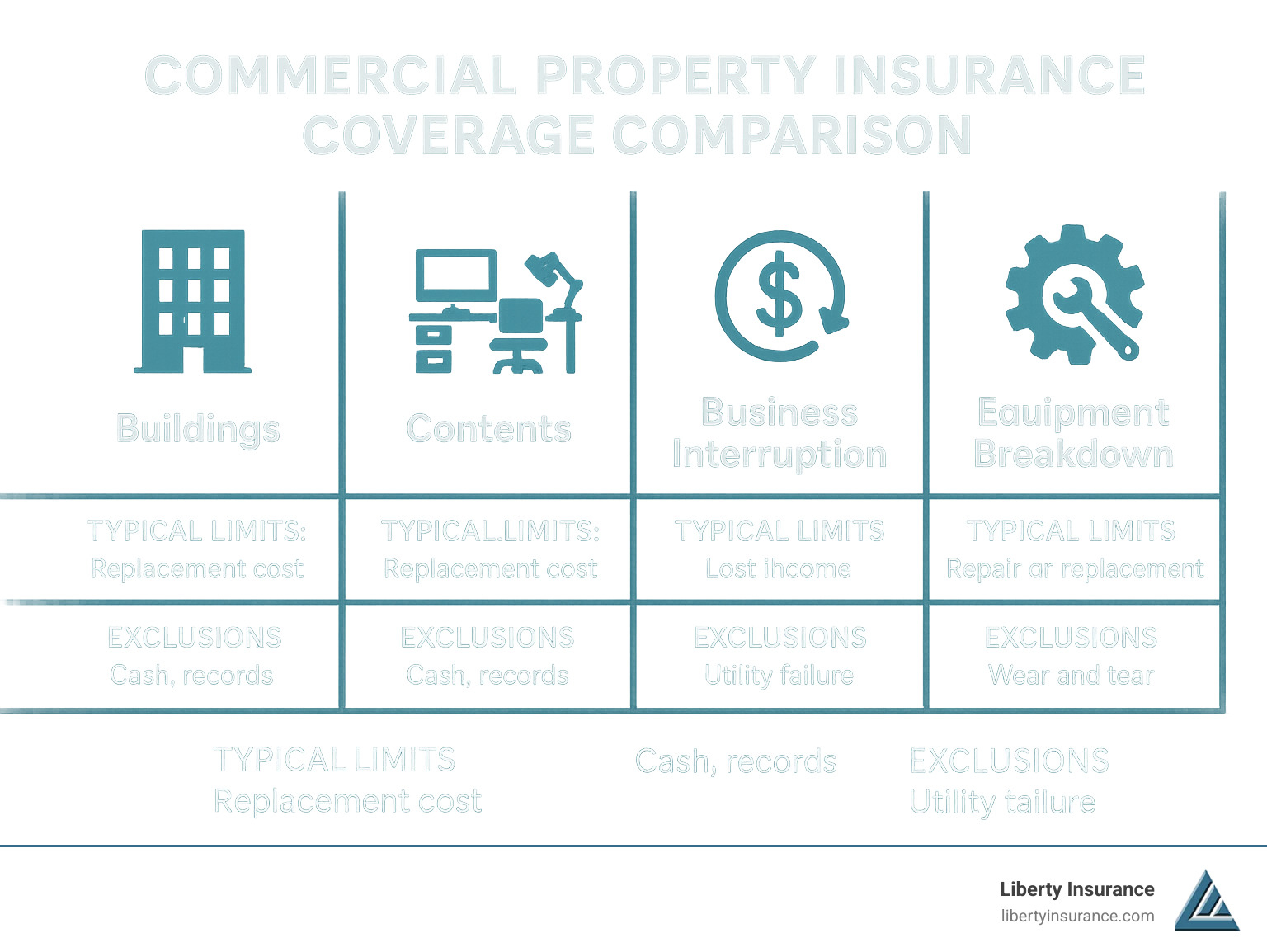
Next, consider property insurance. It covers damages to your building and any tools or equipment you use to run your business. Imagine a fire breaking out—property insurance keeps you from bearing that hefty cost alone.
Workers’ compensation insurance is a must if you have employees. It’s legally required in most places. Plus, it covers medical expenses and lost wages if someone gets injured on the job.
Finally, ponder professional liability insurance, especially if you provide a service. This covers you against negligence claims, which can be critical in service industries.
Pro Tip: Bundle your policies with one provider to potentially save on premiums.
Benefits of Business Insurance
Sure, insurance costs money. BUT the peace of mind it offers is priceless. If disaster strikes, insurance helps cover the losses, so you don’t have to dig into your savings or take on debt.
Moreover, having insurance increases your credibility. Clients and partners will see you as a reliable business willing to protect against risks. This can be a huge plus when negotiating contracts!
Examples of Successful Businesses Utilizing Insurance
Take Mom & Pop’s Bakery for example. They invested in a comprehensive policy, and when a flood hit, the insurance payout helped them reopen in just two weeks.
Or consider Tech Solutions Inc., which leveraged cyber insurance after a data breach. Not only did it cover legal fees, but it also funded a PR campaign to restore their reputation.
These businesses weren’t just lucky—they were prepared. And that’s the power of small business insurance.
Importance of Commercial Insurance
Did you know that 40% of small businesses never reopen after a disaster? Shocking, right? That’s why commercial insurance isn’t just a “nice-to-have”—it’s a lifeline.
Small business owners wear many hats, and dealing with unexpected risks should not be one of them. From natural disasters to unforeseen lawsuits, having commercial insurance helps you stay in the game when things go sideways.
Why Commercial Insurance Is Essential for Small Businesses
Without commercial insurance, your small business is like a ship without a lifeboat. Sure, you might sail smoothly most days, but when a storm hits, you’re in trouble. Insurance covers you against liabilities, property damage, and even lawsuits—which can be financially crippling.
- Protection against property damage from fire, storms, or theft.
- Liability coverage to handle lawsuits and legal fees.
- Compensation for business interruptions that stop your cash flow.
Common Risks Small Businesses Face Without Insurance
The list of risks is long and scary. Imagine a slip and fall accident at your store or a data breach exposing customer information. Without insurance, you’re footing the bill for medical costs or facing hefty fines for non-compliance. Here is the deal: each of these risks is like a ticking time bomb waiting to explode your finances.
Long-Term Impacts of Inadequate Insurance Coverage
Think not having insurance is just a short-term gamble? Think again. The consequences can haunt you for years. Financial strain from lawsuits or repair costs can lead to debt or even bankruptcy. You also risk losing customer trust and your reputation—once damaged, they’re hard to rebuild.
Pro Tip: Review your insurance policies annually to ensure they meet your changing business needs.
Here is the deal: overlooking commercial insurance might save you some bucks today, but it could cost you your business tomorrow. Protecting your venture with the right coverage isn’t just smart—it’s essential for longevity.
Types of Insurance for Small Businesses
Did you know that 40% of small businesses have no insurance at all? Yet, one disaster can wipe out everything you’ve worked for. That’s why understanding the types of insurance available is crucial for safeguarding your business.
The right insurance can mean the difference between staying afloat and going under. But with so many options out there, which ones do you really need? Let’s break it down.
Liability, Property, and Workers’ Compensation Insurance
Liability insurance is your first line of defense against lawsuits, covering medical costs and legal fees if someone gets hurt on your premises. Property insurance protects your physical assets like buildings and equipment from events like fires or theft. Lastly, workers’ compensation is vital if you have employees, as it covers medical expenses and lost wages if they get injured on the job.
| Insurance Type | Coverage | Benefits |
|---|---|---|
| Liability Insurance | Covers legal fees and medical expenses | Protects against lawsuits |
| Property Insurance | Covers buildings and contents | Safeguards physical assets |
| Workers’ Compensation | Covers employee injuries | Ensures employee security |
Industry-Specific Insurance Needs
Some industries require specific types of insurance more than others. Here’s a quick rundown to help you figure out what you might need:
- Construction: Liability and Workers’ Compensation are crucial due to higher risk of accidents.
- Retail: Property and Liability insurance protect against theft and customer incidents.
- Healthcare: Malpractice insurance is essential for protecting against professional errors.
- IT Services: Cyber liability insurance is a must to safeguard data and digital assets.
Pro Tip: The right insurance not only protects you from financial loss but also increases your credibility with clients and partners.
Selecting the Right Insurance Provider

Choosing the right insurance provider can seem overwhelming. But it’s crucial for safeguarding your small business.
With so many options, how do you ensure you don’t end up with a dud? Here’s the deal: you need a strategy.
Steps for Choosing a Reliable Insurance Provider
Let’s cut to the chase. You need a provider you can trust. Step #1: Research thoroughly. Look at reviews, ratings, and testimonials. Step #2: Get quotes from multiple providers. This gives you a clearer picture of what’s out there.
Step #3: Check the provider’s financial stability. You want someone who can pay out when you need it. Step #4: Evaluate their customer service. Prompt and helpful responses are key.
Pro Tip: Always ask if they have experience insuring businesses in your industry.
Checklist for Evaluating Insurance Policy Options
Before you sign anything, make sure the policy fits your needs. Here’s your checklist:
- Does it cover all your business activities?
- Are there any exclusions you should be aware of?
- Is the premium within your budget?
- What are the deductibles?
- How easy is it to file a claim?
Tick these boxes, and you’re on the right track.
Common Pitfalls to Avoid When Selecting an Insurance Provider
Don’t fall for the cheapest option. Cheap can often mean inadequate. Avoid providers with a history of poor claim settlements. That’s a red flag you don’t want to ignore.
Another pitfall? Ignoring the fine print. Those tiny details can cost you big time. Finally, don’t skip checking for any hidden fees or additional charges.
Pro Tip: Always compare at least three providers before making your decision.
Cost Factors in Small Business Insurance
Ever wondered why your small business insurance premiums seem so high? It’s not just a random number; multiple factors are at play.
Understanding these cost factors can help you make smarter insurance decisions. Here’s the deal: by knowing what influences your premiums, you can take steps to minimize costs without sacrificing necessary coverage.
Factors Influencing Insurance Premiums
Several key factors can skyrocket or lower your premiums. First, the type of business you run plays a huge role. High-risk industries like construction and food services typically face higher premiums. Your business location is another critical factor—urban areas usually lead to higher insurance costs due to increased risk factors like crime or natural disasters.
Additionally, the claims history of your business can heavily influence your insurance rates. If you’ve had numerous claims in the past, expect your premiums to be higher. But here’s the kicker: your credit score can also impact your rates. Yes, some insurers check your business credit score before issuing a policy.
Strategies to Reduce Insurance Costs
Now, let’s talk about how to lower those costs. You don’t want to skimp on coverage, but you also don’t want to overpay. Step #1: Review your policy annually. Businesses evolve, and your insurance should reflect that. Step #2: Increase your deductible. A higher deductible means lower premiums. It’s a simple math trick that can save you a ton.
Step #3: Bundle your policies. Just like with personal insurance, many providers offer discounts for bundling multiple policies. Lastly, consider implementing safety measures in your workplace. This not only reduces the likelihood of claims but can also earn you discounts from insurers.
Pro Tip: Always negotiate with your provider. There’s often wiggle room in premium rates.
Comparing Premium Rates Across Providers
Not all insurance providers are created equal, and neither are their premium rates. Here’s a quick comparison table to give you a sense of how different providers stack up:
| Provider | Industry Type | Coverage Amount | Annual Premium |
|---|---|---|---|
| Provider A | Retail | $1M | $1,200 |
| Provider B | Construction | $1M | $2,500 |
| Provider C | Food Service | $1M | $3,000 |
| Provider D | Professional Services | $1M | $1,000 |
Real-Life Case Scenarios

Did you know that 40% of small businesses never reopen after a disaster? That’s a scary stat, but it doesn’t have to be your reality. Insurance can be a lifesaver when the unexpected happens.
Understanding how insurance works in real-life scenarios can give you peace of mind and a strategic edge. Let’s dive into some powerful case studies where small business insurance stepped in to save the day.
When Disaster Strikes
Imagine a local bakery that got hit by a severe storm. The damages were extensive, but thanks to comprehensive business insurance, they were able to cover repairs and lost revenue. The insurance claim process was straightforward and involved an adjuster assessing the damages, followed by a swift compensation. This mitigated potential losses and allowed the bakery to reopen faster.
Handling Liability with Ease
Consider a small tech startup that faced a lawsuit over an alleged breach of contract. Without liability insurance, legal fees alone could have sunk them. But here is the deal: their commercial liability policy covered legal expenses and potential settlements, keeping the company’s finances intact.
Pro Tip: Always review your policy thoroughly to understand exactly what kinds of disasters and liabilities are covered.
Real-Life Benefits of Having Insurance
Check out this scenario: a local retail store experienced a burglary. The owner had a business owner’s policy that included coverage for theft. The claim process was initiated with a police report, and within weeks, the insurance reimbursed the stolen inventory’s value.
Case Study: “We were able to replace our stock without dipping into our cash reserves, thanks to our insurance,” said the store owner.
These real-world examples highlight the importance of choosing the right insurance coverage to protect your business from unforeseen events.
Closure
As you navigate the complex world of small business insurance, remember this: the right coverage is your safety net in an unpredictable world. With this guide, you’re now equipped to make informed decisions, ensuring your business remains resilient, whatever the future holds. So, take that step—secure your business with the insurance it needs and deserves!
FAQ Section
What types of insurance should small businesses consider?
Small businesses should consider liability insurance, property insurance, and workers’ compensation insurance to cover different aspects of their operations.
Why is commercial insurance essential for small businesses?
Commercial insurance protects against potential risks and liabilities, ensuring that a business can continue operating even after unexpected events.
What common risks do small businesses face without insurance?
Without insurance, small businesses face risks such as lawsuits, natural disasters, theft, and employee injuries, which can lead to significant financial losses.
How can a small business choose the right insurance provider?
Small businesses can choose the right insurance provider by evaluating experience, customer reviews, financial stability, and the breadth of coverage options available.
What factors influence the cost of small business insurance premiums?
Factors include the size and nature of the business, location, claims history, and the specific coverage needs of the business.
