Understanding Errors and Omissions Insurance in Washington State: A Comprehensive Guide

Imagine this: You’re a top-notch professional navigating the bustling business world, and suddenly, a minor mistake or overlooked detail threatens to derail your career. Enter Errors and Omissions Insurance (E&O)—your safety net in the unpredictable realm of professional liabilities.
In today’s fast-paced environment, having E&O insurance isn’t just a luxury; it’s a necessity. Whether you’re a seasoned consultant or a budding freelancer in Washington State, understanding the nitty-gritty of this essential coverage could mean the difference between a minor hiccup and a major financial setback.
Introduction to Errors and Omissions Insurance
Did you know that a single lawsuit could cost your business thousands of dollars? That’s where Errors and Omissions (E&O) Insurance comes in. It’s your financial safety net against costly mistakes.
Errors and Omissions Insurance is a specialized policy designed to protect professionals from claims of negligence or inadequate work. It’s like a safety harness for your business, ensuring that one slip-up doesn’t lead to financial freefall. E&O insurance traces its roots back to the 1930s when professional liability concerns began gaining traction. Today, it’s a critical component for many industries.
Who Needs Errors and Omissions Insurance?
Not all professions need E&O insurance, but many do. If you’re in the business of providing professional advice or services, this coverage is often non-negotiable. Think law, finance, healthcare, and even technology. These are fields where a single oversight can have significant repercussions.
Here is the deal: If you provide a service that involves any level of judgment or expertise, you should consider E&O insurance. This coverage is particularly relevant for accountants, consultants, architects, and real estate agents. Why? Because these professionals are judged on their advice or services, and even small errors can lead to significant client dissatisfaction.
Pro Tip: An E&O policy can cover legal fees and settlements, so you’re not paying out of pocket.
In fact, certain industries have regulations mandating E&O coverage as a licensing requirement. So, it’s not just a good idea—it’s the law in some cases. Whether you’re a veteran in your field or just starting out, E&O insurance provides the peace of mind you need to focus on what you do best.
Errors and Omissions Insurance Coverage in Washington State
Did you know that Washington State has some unique twists when it comes to Errors and Omissions (E&O) insurance? If you’re a professional working in Washington, it’s crucial to understand the specific requirements to protect yourself.
E&O insurance isn’t just a fancy add-on. It’s a mandatory safety net for many professionals in Washington. Whether you’re in real estate, law, or accounting, knowing the ins and outs of this coverage can make or break your business.
Requirements for E&O Insurance in Washington State
Washington State mandates that certain professionals carry E&O insurance. This isn’t a gentle suggestion—it’s a legal requirement. For instance, real estate agents and brokers must have active E&O policies before they can legally operate. The same goes for insurance agents and some healthcare professionals.
Here’s the deal: The state sets specific minimum coverage levels that must be met. BUT it’s important to understand that these are just the starting points. Depending on your industry, risks, and client base, you might need more comprehensive coverage.
Professionals Required to Carry E&O Insurance
So who exactly needs E&O insurance in Washington? First on the list are real estate professionals. If you’re selling homes or commercial properties, you can’t skip this. Insurance agents are also required to have E&O insurance to ensure clients are protected from any errors during policy handling.
In addition, many healthcare professionals, particularly those offering consulting services, must have E&O coverage. This is to safeguard against any advice or consultation that might lead to client loss or harm.
Pro Tip: Always check the latest state mandates or consult with an insurance expert to ensure your coverage is up-to-date.
State-Specific Regulations and Exceptions
Washington State has its own set of rules and regulations that affect E&O policies. One such regulation is the annual review requirement for policies to ensure compliance with state laws. If your profession is subject to rapid changes in regulation, you need to be on top of this.
There are exceptions too. For example, certain self-employed professionals who work part-time or have limited client interaction might qualify for exemptions or reduced coverage requirements. BUT these exemptions are rare and should be verified with the state’s insurance department.
Key Features and Benefits of E&O Insurance

Did you know that a single lawsuit could cost your business thousands of dollars? That’s where Errors and Omissions (E&O) Insurance steps in.
For businesses and professionals in Washington State, having E&O insurance is not just a safety net; it’s a smart investment. This type of insurance shields you from potentially crippling legal costs associated with professional mistakes. Let’s dive into the core benefits and key features of E&O insurance.
Core Benefits of Having E&O Insurance
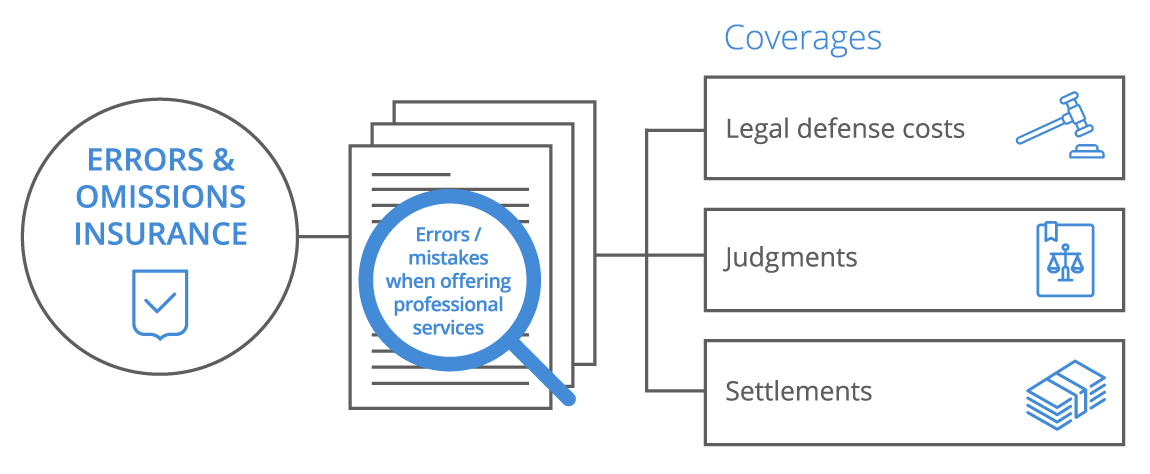
You never know when a client might file a claim against you. But with E&O insurance, you have a layer of protection against these uncertainties. It covers legal fees, court costs, and any settlements up to your policy limit.
Here is the deal: E&O insurance doesn’t just protect your finances, it also safeguards your reputation. By having this coverage, you’re telling your clients that you take your professional responsibilities seriously.
Key Features Included in E&O Insurance Policies
Your typical E&O insurance policy includes several crucial features. Let’s break them down:
- Defense Costs: Coverage for attorney fees and defense costs, whether you’re at fault or not.
- Settlements and Judgments: Pays for settlements if a lawsuit rules against you.
- Coverage for Employees: Protects not just the business owner but also employees who might be involved in claims.
Pro Tip: Always read the fine print of your policy. Some policies offer global coverage, while others may have geographical restrictions.
Situations Where E&O Insurance is Beneficial
Think you’re safe without E&O insurance? Consider these scenarios:
- An accounting firm provides incorrect tax advice leading to IRS penalties.
- A marketing consultant misses a critical deadline, causing the client to lose significant revenue.
- A software developer’s code has a bug that results in a client’s data breach.
These are just a few examples where E&O insurance can be a lifesaver. Remember, the potential for mistakes is always there, no matter how careful you are.
Cost Factors for Errors and Omissions Insurance
Did you know that the cost of Errors and Omissions (E&O) insurance can vary dramatically based on several key factors? If you’re a small business owner in Washington State, understanding these factors can save you big bucks.
Here is the deal: Your industry, claims history, and even the size of your company can impact your E&O insurance premiums. It’s not a one-size-fits-all scenario. This variance makes it crucial for you to understand which factors are at play and how to leverage them for cost savings.
Industry-Specific Cost Variations
The industry you’re in can heavily influence your E&O insurance costs. For example, a technology consultant is likely to pay different premiums than a real estate agent. Why? Because the risk profiles associated with each industry are unique.
Industries with higher risks or those susceptible to frequent claims will generally see higher premiums. BUT, if you’re in a lower-risk industry, you might find yourself benefiting from more affordable rates.
Cost Comparisons Across Professions in Washington State
Curious about how your profession stacks up in terms of E&O insurance costs? Check this out:
| Profession | Average E&O Insurance Cost (Annual) |
|---|---|
| Real Estate Agent | $500 – $1,200 |
| Technology Consultant | $1,000 – $2,500 |
| Financial Advisor | $1,500 – $3,000 |
| Healthcare Professional | $2,000 – $5,000 |
Pro Tip: Always compare quotes from multiple insurers. This simple step can lead to significant savings on your E&O insurance premiums.
Claims Process and Common Exclusions
Did you know that 40% of small businesses will likely face a liability claim within the next 10 years? When it comes to Errors and Omissions (E&O) Insurance, understanding the claims process and the common exclusions is crucial. The last thing you want is to be blindsided in a crisis.
Filing an E&O claim is a proactive step to safeguard your business. BUT, here’s the deal: it’s not as straightforward as making a phone call. Knowing the ins and outs of the process is vital to ensure your claim is accepted and processed promptly.
The E&O Claims Filing Process
First off, document everything. When a client brings up a potential issue, start gathering emails, contracts, and any relevant communication. This documentation is your first line of defense.
Step #1: Notify your insurer immediately. Delaying this can jeopardize your claim. Insurers require prompt notification to start investigating the claim.
Step #2: Work closely with your insurer’s claims adjuster. They’ll guide you through the process, but don’t assume they’ll do all the work. Provide them with all the documentation you’ve gathered to strengthen your case.
Pro Tip: Keep a detailed record of all interactions and correspondence related to the claim. This can be crucial if disputes arise.
Common Exclusions in E&O Policies
Now, here’s the tricky part: exclusions. E&O policies aren’t blanket coverage solutions. They come with certain caveats that you need to know. One common exclusion is fraudulent or criminal acts. If you’re found guilty of fraud, your E&O coverage won’t come to the rescue.
Also, bodily injury and property damage are typically not covered. E&O is meant for professional slip-ups, not physical accidents. So if someone slips on your office floor, that’s a case for general liability insurance, not E&O.
Scenarios Where E&O Coverage May Not Apply
Imagine a scenario where you give bad financial advice and a client loses money. Your E&O insurance will likely cover this. BUT, if you intentionally provide misleading advice for personal gain, you’d be on your own.
Another example: a tech firm forgets to install a crucial update, leading to a client’s data breach. Covered by E&O? Yes. However, if the breach was due to using outdated or unauthorized software intentionally, the claim might be denied.
Selecting the Right E&O Insurance Provider
Choosing the right Errors and Omissions (E&O) insurance provider can feel like walking through a minefield. One wrong step, and you could end up overpaying or under-protected.
But here’s the deal: Not all insurance providers are created equal. The right provider in Washington State will offer a blend of comprehensive coverage, competitive pricing, and stellar customer service.
Criteria for Choosing the Best E&O Insurance Provider
Step #1: Look at the coverage options each provider offers. You want a plan that covers all your business operations without leaving gaps.
Step #2: Compare the cost. Price isn’t everything, but you don’t want to pay more than you should. Examine what each dollar spent will actually cover.
Step #3: Evaluate the provider’s reputation. Customer reviews and ratings can provide insights into the provider’s reliability and customer service.
Pro Tip: Always check if the provider has experience with businesses in your specific industry to ensure they understand your unique needs.
The Importance of Provider Reputation and Customer Service
Reputation speaks volumes. A provider with a strong track record in Washington State is likely to offer dependable service. Customer service is crucial too; when a claim arises, you want prompt and efficient support.
Ask yourself: How easy is it to get in touch with them? Do they have a history of resolving claims efficiently? These factors can make or break your experience.
Comparison of E&O Insurance Providers
Here’s a quick comparison of some top E&O insurance providers based on coverage, cost, and customer reviews:
| Provider | Coverage | Cost | Customer Reviews |
|---|---|---|---|
| Provider A | Comprehensive | $$ | 4.5/5 |
| Provider B | Basic to Advanced | $$$ | 4.2/5 |
| Provider C | Industry-Specific | $ | 3.8/5 |
Remember, the right provider is the one that best fits your specific needs and budget. Choose wisely!
Summary

In conclusion, mastering the ins and outs of Errors and Omissions Insurance can shield you from unforeseen professional storms and keep your career on a steady course. As you navigate the diverse landscape of Washington State’s professional requirements, make sure E&O insurance is a cornerstone of your risk management strategy. Remember, being prepared today can save you from headaches tomorrow.
Common Queries
What is Errors and Omissions Insurance?
Errors and Omissions Insurance is a type of professional liability insurance that protects businesses and individuals against claims of inadequate work or negligent actions.
Who needs E&O insurance in Washington State?
Professionals such as consultants, real estate agents, accountants, and other service providers in Washington State often require E&O insurance.
Are there any state-specific regulations for E&O insurance in Washington?
Yes, Washington State has specific requirements and regulations that professionals must adhere to when obtaining E&O insurance, which can vary by industry.
What does E&O insurance typically not cover?
E&O insurance generally excludes coverage for intentional wrongdoing, illegal activities, and claims related to bodily injury or property damage.
How do I file a claim under my E&O insurance policy?
To file a claim, you’ll typically need to notify your insurance provider, provide necessary documentation, and cooperate with any investigations they may conduct.