Running a small business is like navigating a thrilling adventure—full of opportunities and challenges. But one thing that should never be left to chance is your business insurance. Just as you wouldn’t embark on a journey without a safety net, your business shouldn’t operate without the right insurance coverage. Today, we’re diving into the world of small business insurance, exploring how it acts as a sturdy shield against unforeseen events.
In this guide, we’re breaking down the essentials of small business insurance, focusing on three key types that every entrepreneur should consider. From protecting your assets to ensuring your team is covered, understanding insurance isn’t just smart—it’s vital for your business’s longevity and growth. Let’s embark on this journey to safeguard your business foundation with the right insurance.
Understanding Small Business Insurance
Did you know that 40% of small businesses will experience a property or liability loss in the next decade? That’s why insurance isn’t just a safety net—it’s your business’s lifeline. Let’s dive into why insurance is essential for every small business owner.
Insurance is like your business’s superhero. It protects against unexpected events that could sink your operations overnight. But, with so many types of insurance out there, how do you know which ones you really need?
The Essential Insurance Types for Small Businesses
Here is the deal: Not all insurance is created equal, especially when it comes to small business needs. The most common types you should consider are liability, property, and worker’s compensation. Each one shields you from different risks.
Liability Insurance covers you if someone sues your business for causing injury or damage. Imagine a customer slipping in your store; this insurance would help cover legal fees and settlements.
Property Insurance protects physical assets like your building and inventory against damages from fire, theft, or natural disasters. If your store floods, would you be able to recover the losses on your own?
Finally, Worker’s Compensation is crucial if you have employees. It covers medical costs and lost wages if an employee gets injured on the job. This isn’t just a legal requirement in many places; it’s a safeguard for your workforce and peace of mind.
The Role of Risk Management in Selecting Insurance
Here’s something that most small business owners miss: Risk management is the unsung hero of smart insurance selection. You need to assess your unique risks and align them with the insurance types that will offer the best protection.
Step #1: Conduct a risk assessment. Identify what could go wrong in your operations. Is your location prone to flooding? Do you handle sensitive data? List these out.
Step #2: Match those risks to the right insurance policies. This is where a professional insurance advisor can be invaluable, helping you understand the fine print and avoid over-insuring.
Pro Tip: Always allow for a little extra coverage. It’s better to be over-prepared than underinsured when disaster strikes.
Choosing the Right Insurance for Your Business

Did you know that 40% of small businesses have no insurance? Yikes! Let’s fix that by diving into how you can choose the right insurance for your business.
Choosing the right insurance can feel overwhelming. BUT, the good news is, with a little guidance, you can protect your business without breaking the bank.
Comparing Insurance Policies for Small Businesses
First things first, you need to know which types of insurance policies are available. Here is the deal: Not all policies are equal. Some cover general liability, while others focus on property or professional liability.
| Type of Insurance | Coverage Focus | Best For |
|---|---|---|
| General Liability | Bodily injury and property damage | Most small businesses |
| Property Insurance | Damage to business property | Businesses with physical assets |
| Professional Liability | Mistakes and negligence | Service providers |
When you compare policies, make sure you’re looking at what’s covered and what isn’t. This is key to avoiding nasty surprises.
Evaluating Insurance Providers
Not all providers will offer the same benefits or costs. Start by checking their reputation and customer reviews. Trust me, you don’t want to be stuck with a provider that won’t answer your calls when you need them!
Also, consider their financial stability. You want a provider who can actually pay out claims.
Pro Tip: Always ask for example scenarios of claims to see how the provider would handle real-life situations.
Factors Influencing Insurance Premiums for Small Businesses
Ever wonder why your insurance quote seems steep? Several factors can influence this. Your industry type, location, and even the number of employees play a significant role. High-risk industries like construction will have higher premiums.
Claims history is another biggie. A history of frequent claims can signal a red flag to insurers.
Checklist to Assess Your Insurance Needs
Before choosing a policy, you need a game plan. Here’s a checklist to help you assess your needs:
- Identify potential risks your business faces.
- Decide on the types of insurance coverage you require.
- Evaluate the financial strength of potential insurance providers.
- Check for any industry-specific insurance regulations.
- Consider your budget for insurance premiums.
By following this checklist, you’ll be better prepared to choose the right policy for your business.
Cost Management and Insurance
Did you know that one in three small businesses overpay for insurance? It doesn’t have to be that way. With strategic steps, you can slash those costs and keep more money in your pocket.
Insurance is a necessary expense for small businesses, but it’s also an area where you can find significant savings. Let’s dive into strategies to reduce your insurance costs without compromising on coverage.
Strategies to Reduce Insurance Costs
First things first, bundling is your friend. By combining multiple policies with the same insurer, you could see savings of up to 25%. This includes pairing your general liability and property insurance together.
Here’s the deal: maintaining a good credit score can also lower your premiums. Insurers often use credit scores to assess risk, so keeping your score up can result in lower costs.
Another savvy move is to increase your deductible. Yes, this means you’ll pay more out of pocket in the event of a claim, but it can significantly reduce your annual premium. Just make sure you have enough in savings to cover that deductible if needed.
Discounts for Small Businesses
Insurance companies offer a variety of discounts tailored for small businesses. Let’s look at some.
| Type of Discount | Eligibility Criteria | Potential Savings |
|---|---|---|
| Multi-policy Discount | Purchase multiple policies from the same insurer | Up to 25% |
| Safety Program Discount | Implement safety programs and regular employee training | 10-15% |
| Claims-Free Discount | No claims filed over a specified period | 5-10% |
Don’t leave money on the table. Ask your insurer about these discounts and see which ones you qualify for.
Regularly Reviewing and Updating Policies
Staying proactive with your insurance policies is crucial. Conduct an annual review to ensure you’re not over-insured or paying for coverage you no longer need.
Step #1: Compare your current policy with your actual needs. If your business has downsized or changed operations, adjust your coverage accordingly.
Step #2: Shop around. Insurance markets change, and a competitor might offer better rates or more suitable coverage. Don’t be afraid to switch if you find a better deal.
Pro Tip: Schedule a quarterly reminder to review your policy and talk to your broker. This keeps your coverage aligned with your business’s evolving needs.
Remember, managing your insurance costs effectively can significantly boost your bottom line without sacrificing the protection you need.
Legal Requirements and Insurance
Did you know that failing to have the right insurance can sink your business faster than an iceberg hitting the Titanic? Small businesses must navigate the legal maze of insurance requirements to stay afloat.
Here’s the deal: Not all industries face the same insurance mandates. But ignoring them can lead to hefty fines and even force you to shut down.
Mandatory Insurance Requirements Across Industries
Every industry has its own set of mandatory insurance requirements. For example, if you operate in healthcare, you’re likely required to have malpractice insurance. Construction businesses often need workers’ compensation and general liability insurance.
Failing to maintain these can result in not only financial penalties but also criminal charges in certain jurisdictions. The risk isn’t just losing money—it’s losing your entire business.
State-Specific Regulations for Small Business Insurance
Insurance requirements can vary significantly from one state to another. Take workers’ compensation: In California, it’s mandatory for even a single employee, whereas, in Texas, it’s not required unless you work with a government entity.
Here’s an important note: Ignorance of these laws is no excuse. You need to stay updated with your state’s specific regulations or risk falling into a legal quagmire.
Understanding the legal benefits of maintaining comprehensive insurance can keep you compliant and competitive. Here’s what you stand to gain:
- Protection against lawsuits and claims
- Compliance with industry regulations
- Enhanced credibility with clients and partners
- Financial support in case of unforeseen events
Pro Tip: Always consult with a legal expert to ensure your business insurance aligns with current state laws. It’s your best defense against costly legal battles.
Insurance and Business Growth
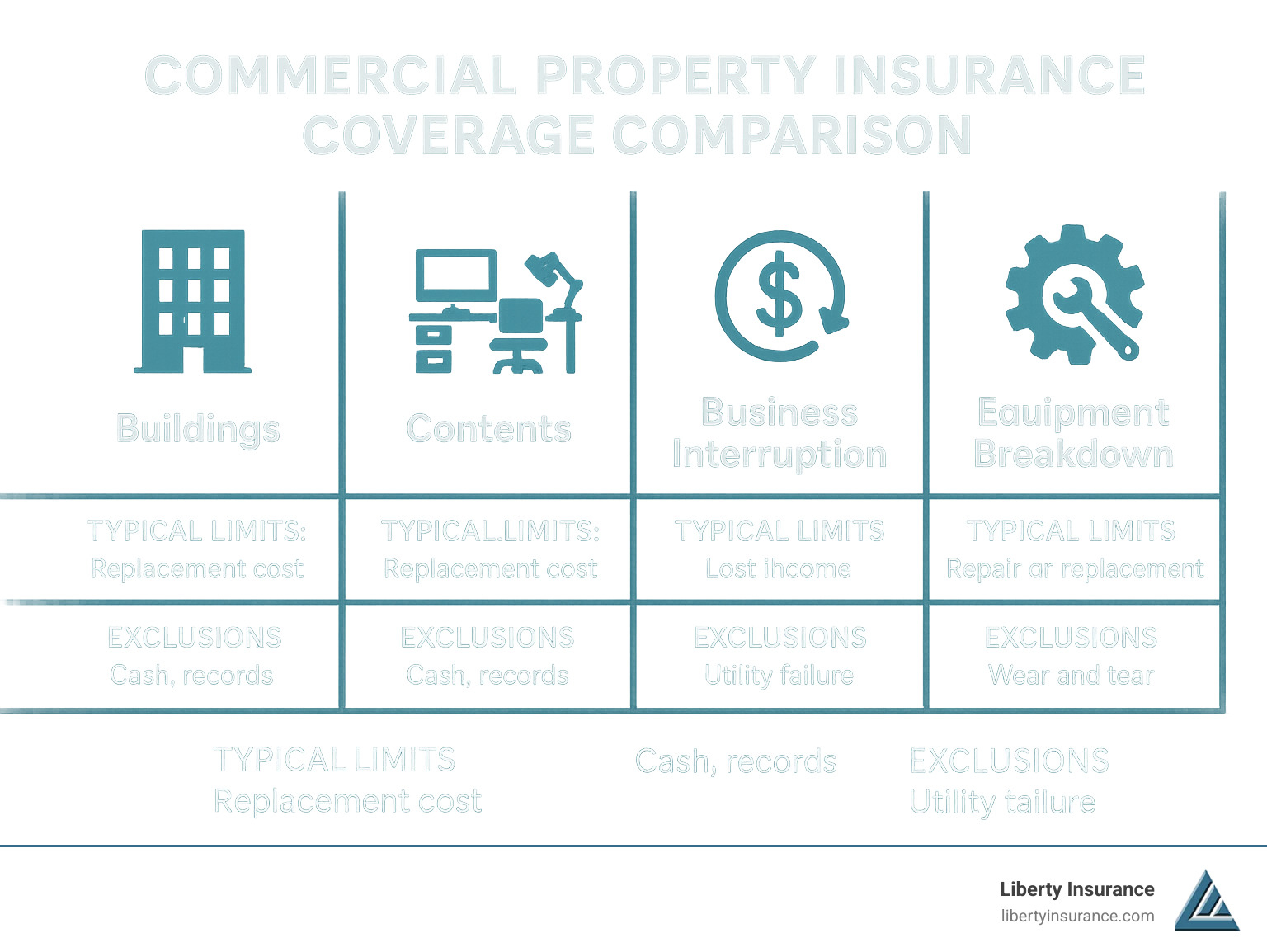
Did you know that 40% of businesses never reopen after a disaster? Having insurance isn’t just about protection; it’s a catalyst for growth.
Insurance can be the safety net that allows your business to take calculated risks and seize lucrative opportunities. It provides a solid fallback, ensuring that unexpected events don’t derail your plans for expansion.
Insurance as a Catalyst for Business Recovery
Picture this: A small retail business suffers from a fire, decimating half its inventory. Without insurance, that could spell the end. But with coverage, they’re back in business, restocked, and rebranded in no time.
Insurance doesn’t just protect assets; it boosts confidence. It empowers you to venture into new markets and invest in new products without the paralyzing fear of unforeseen disasters.
Risk Assessment and Insurance Coverage: A Symbiotic Relationship
Understanding risk is critical to any business’s success. But here’s the deal: Without insurance, even the best risk assessments are incomplete. When you know you’re covered, you can make bold moves that drive growth.
Think of insurance as the safety net that allows you to walk the tightrope of business risks. It not only covers potential losses but also enables you to plan strategically.
Enhancing Business Credibility with Adequate Insurance
Clients and partners are more likely to trust a business that’s insured. Why? Because it showcases responsibility and reliability. When you can assure your stakeholders that any mishaps are covered, it builds trust and credibility.
Insurance acts like a badge of professionalism, demonstrating that you care about solving problems efficiently, not just when they arise but before they ever come knocking.
Pro Tip: Use your insurance policy as a selling point in client pitches to highlight your commitment to delivering uninterrupted service!
Future Trends in Small Business Insurance
Are you ready for the next big shift in small business insurance? Change is closer than you think. As technology evolves, so do the opportunities and challenges for your business insurance strategy.
In this fast-paced world, staying ahead of insurance trends is crucial. You can’t afford to miss out on what’s next. Let’s dive into the emerging trends that are reshaping the landscape of small business insurance.
Technological Innovations Shaping Insurance Policies
Technology is transforming every aspect of our lives, and insurance is no exception. From AI-driven risk assessments to blockchain for transparent claims processing, the future is here. But how can you leverage these advancements for your small business?
Step #1: Embrace AI-powered tools. These tools can help insurance providers offer more personalized policies based on your unique risk profile. You’ll get coverage that fits like a glove.
Step #2: Look into blockchain technology. Blockchain ensures fast, secure, and transparent transactions. This means fewer headaches for you when filing claims.
Pro Tip: Partner with providers that integrate AI and blockchain into their services. It’s a smart move for efficiency and reliability.
Economic Shifts and Their Impact on Insurance Offerings
The economy doesn’t sit still, and neither should your insurance plan. Economic fluctuations can directly affect insurance premiums and coverage options. So, what’s the deal?
As economic factors change, insurers may adjust their offerings. For example, during economic downturns, you might see an increase in premiums. It’s crucial to stay informed and proactive.
- Monitor economic indicators regularly.
- Communicate with your insurance provider about potential changes.
- Consider a flexible insurance plan that can adapt to economic changes.
Projecting Small Business Insurance Needs for the Next Five Years
Where will your insurance needs be in five years? Predicting the future is tough, but you can prepare by understanding trends and adapting early. Here’s what to watch:
The gig economy is expanding, meaning more freelancers and independent contractors. This shift requires new insurance models that cater to flexible work arrangements.
Additionally, climate change is leading to increased natural disasters. Businesses need robust policies to handle these unpredictable events.
Pro Tip: Review your insurance annually to adjust for these trends. Being proactive will keep your business protected.
Staying informed and adaptable is key. The insurance landscape is shifting, and the businesses that thrive will be those that anticipate and respond to these changes with agility.
Final Summary
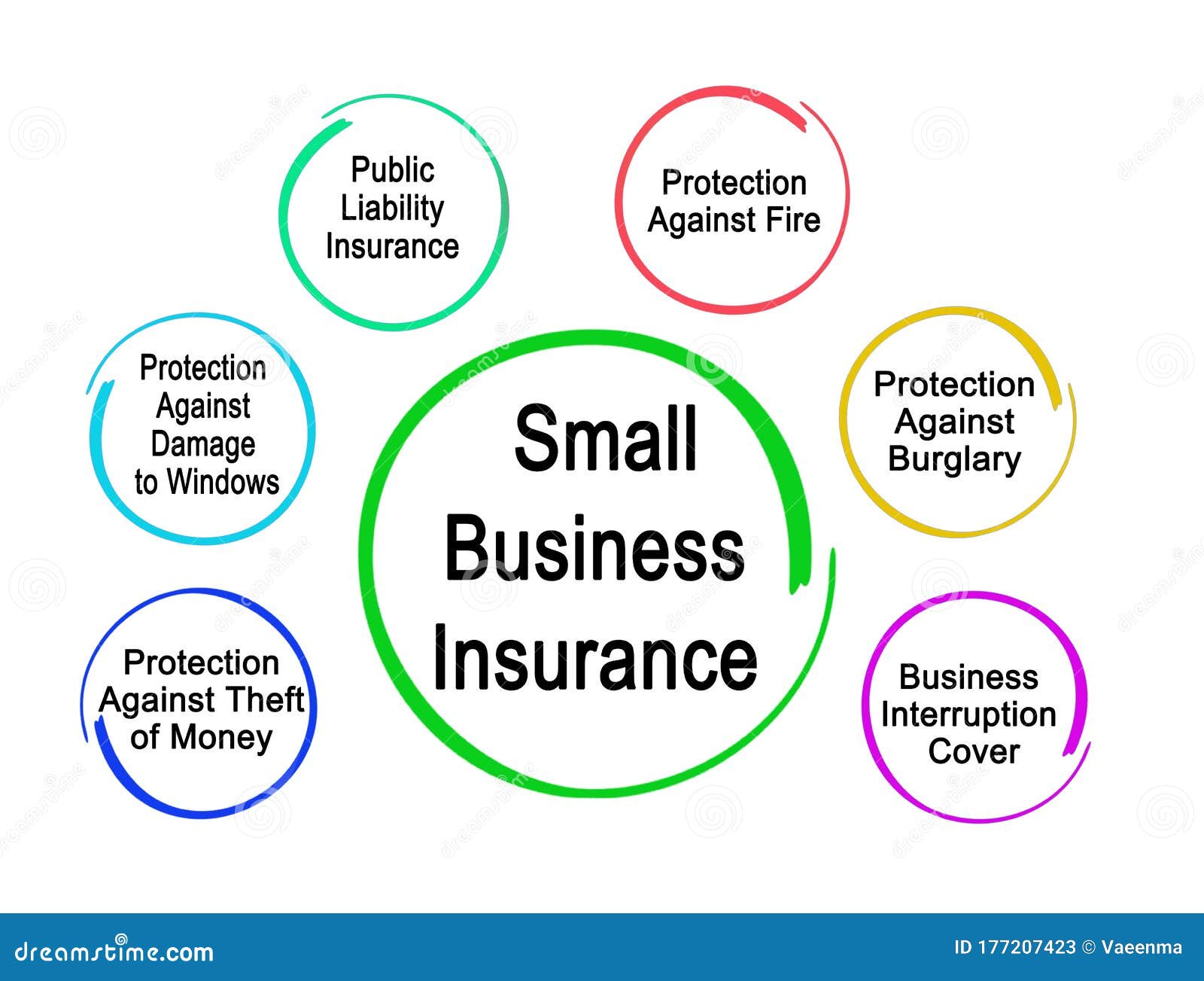
In the fast-paced world of entrepreneurship, having the right small business insurance is not just a necessity—it’s a game-changer. As we’ve explored, these insurance types not only protect your assets but also empower you to take calculated risks for growth. Whether you’re just starting out or looking to expand, ensuring you have comprehensive coverage can make all the difference in your business journey. So, gear up with the right protection, and let your entrepreneurial spirit soar!
Common Queries
What are the three main types of small business insurance?
The three main types of small business insurance are liability insurance, property insurance, and worker’s compensation insurance.
Why is insurance important for small businesses?
Insurance is crucial for small businesses because it protects against potential risks, liabilities, and helps ensure business continuity in the face of unexpected events.
How can small businesses reduce their insurance costs?
Small businesses can reduce insurance costs by bundling policies, maintaining a good safety record, and regularly reviewing their insurance needs to eliminate unnecessary coverage.
What factors influence insurance premiums for small businesses?
Insurance premiums for small businesses are influenced by factors such as business size, industry risk, claims history, and coverage limits.
Are there legal insurance requirements for small businesses?
Yes, many states require small businesses to have certain types of insurance, such as worker’s compensation and liability insurance, depending on the industry and number of employees.
